

How Dark Can Tint Be on Your Vehicle?

If you're asking how dark can tint be, you're probably not looking for a vague answer. You want to know what looks good, what feels comfortable, and what is actually legal before you spend money on your vehicle. That matters, because window tint is one of those upgrades that can improve privacy, reduce glare, and cut heat fast - but only if you choose the right shade for how you drive.
How dark can tint be?
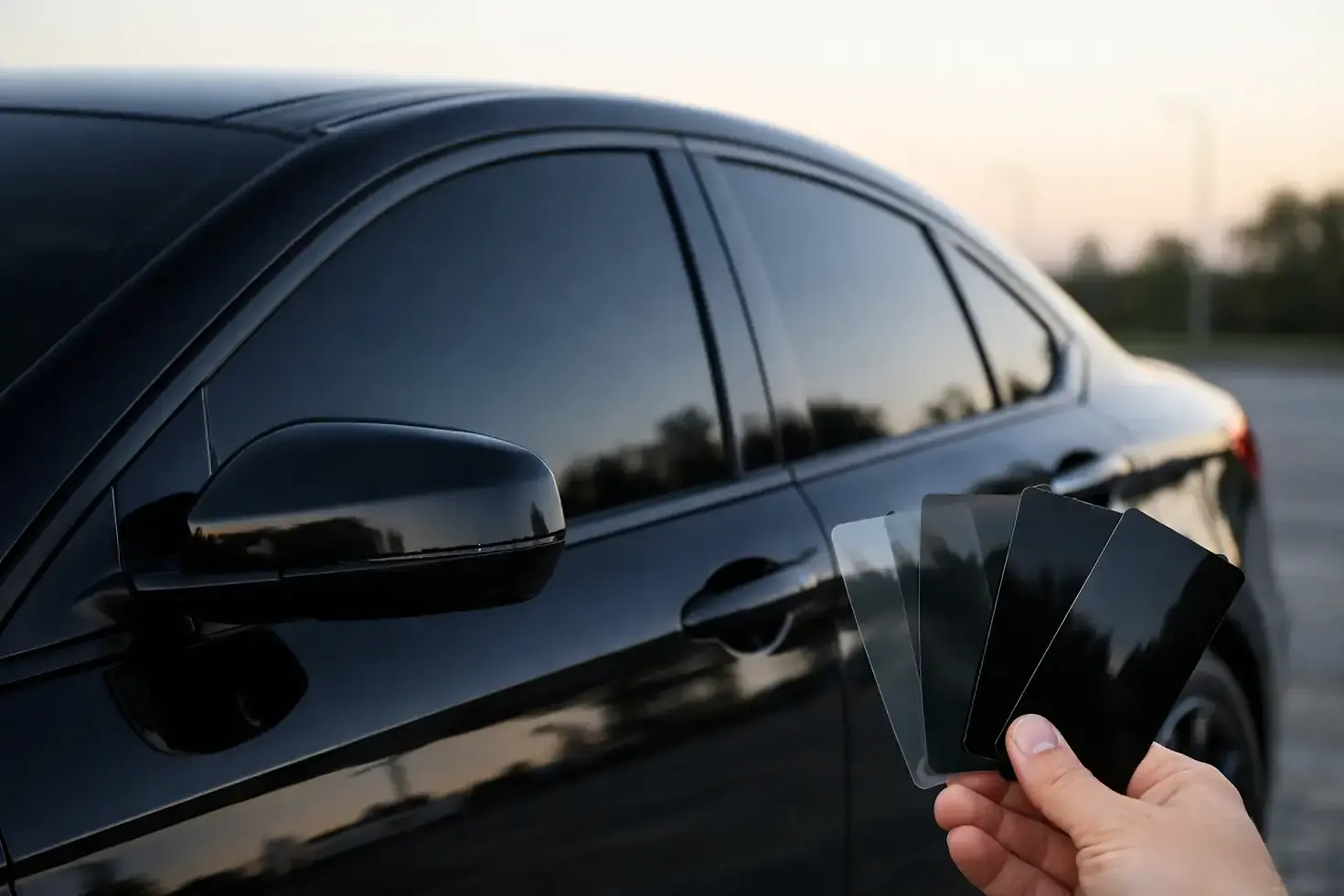
The short answer is that it depends on your state, your vehicle type, and which window you're tinting. Tint darkness is usually measured by VLT, which stands for visible light transmission. The lower the VLT number, the darker the tint. A 5% tint lets in very little light and looks extremely dark. A 50% tint is much lighter and still allows a lot of visibility.
That number matters more than the color of the film. Two vehicles can both look dark from the outside, but the legal side comes down to how much visible light passes through the glass and film together. Factory glass also affects the final result, especially on SUVs and trucks that may already have some rear privacy glass.
For most drivers, the real question is not just how dark can tint be legally. It's how dark should it be for your daily use.
Legal limits are only part of the decision
Every state sets its own tint laws. Indiana has its own standards for front side windows, back side windows, and rear glass, and those rules are not always the same as nearby states. If you drive across state lines often, that is worth thinking about.
Front windows usually have the strictest rules because they affect driver visibility and officer visibility during traffic stops. Rear windows often allow darker film, especially on SUVs and vans. Windshields are the most restricted area and typically only allow a tinted strip at the top.
This is where people get into trouble. They see a vehicle with very dark glass, assume it is legal, and ask for the same setup. Sometimes that vehicle has different factory glass. Sometimes it is not legal at all. Sometimes the owner simply took the risk.
A professional tint shop should walk you through the legal range before installation so you know what you're getting. Honest guidance beats guessing every time.
What the percentages really feel like
Tint percentages sound technical until you see how they work in real life. A 50% tint gives you a mild, clean look with noticeable glare reduction. It is a good fit for drivers who want comfort without making the vehicle look heavily customized.
A 35% tint is one of the most popular choices because it balances appearance, visibility, and privacy. In daylight, it gives the vehicle a sharper look without going so dark that night driving becomes a hassle for most people.
A 20% tint moves further into privacy territory. It gives a darker appearance and stronger shade, especially on side and rear glass. Many drivers like the look, but it can become harder to see clearly out of darker side windows at night, in rain, or on poorly lit roads.
A 5% tint is often called limo tint. It is extremely dark and offers high privacy, but it also creates major visibility trade-offs. For most front-side applications, this level is not street legal. Even where it is allowed on rear glass, it is not the right fit for everyone.
Darker tint is not always better
A lot of people walk in thinking the darkest tint possible is the best option. Sometimes it is exactly what they want. A lot of times, once they understand the trade-offs, they go a little lighter and end up happier with the result.
Darker tint improves privacy, but it can reduce outward visibility in certain conditions. That matters if you commute before sunrise, back into dark driveways, or drive rural roads around Fort Wayne where street lighting can be limited. If your vehicle already has small windows or thick pillars, very dark film can make night driving feel tighter.
There is also the heat question. Many drivers assume darker tint always means better heat rejection. That is not necessarily true. Film quality matters just as much, and often more. A high-quality ceramic tint in a moderate shade can reject a lot of heat and UV without going extremely dark.
That is a big deal for families, commuters, and truck owners who want comfort without sacrificing usability.
How to choose the right shade for your vehicle
The best tint setup depends on how you use your vehicle, not just how you want it to look in a parking lot.
If your top priority is daytime privacy and a bold appearance, darker film on the rear glass may be the right call. If you spend a lot of time driving at night, a moderate shade on the front windows is usually the smarter choice. If you mainly want to cut heat, protect your interior, and reduce glare, you may not need the darkest film available.
Vehicle type also changes the answer. A truck or SUV often looks more natural with darker rear glass because many already have factory privacy glass. A sedan tends to show tint more evenly across all side windows, so matching the look takes more planning.
Then there is the style factor. Some people want a clean, subtle finish. Others want a darker, more aggressive look. Both can work. The difference is making sure the final setup fits your goals and stays inside the law.
Why professional installation matters
Choosing the right darkness is only half the job. If the film is cut poorly, applied badly, or installed without considering the glass you already have, the result can be disappointing fast.
A professional installer can explain what the final appearance will look like on your exact vehicle, not just on a sample board. That matters because the same film can look different on different windows, different paint colors, and different factory glass.
Good installation also protects your investment. Clean edges, proper shrinking, and quality film make a huge difference in how tint looks after a few months and after a few years. Purple fading, bubbling, peeling, and hazy visibility are common problems when low-grade film or rushed work gets involved.
For a service like window tint, experience counts. You want a shop that gives straight answers, stands behind the work, and helps you avoid legal or visibility mistakes before the film goes on.
Common mistakes people make when choosing tint darkness
The first mistake is choosing a percentage based only on what a friend has. Their vehicle, state law, and factory glass may be completely different.
The second is focusing only on darkness and ignoring film type. If you want real comfort in summer, UV protection, and long-term clarity, film quality deserves just as much attention as shade.
The third is underestimating night driving. Dark tint can look great at noon and feel frustrating after dark. That does not mean you should avoid darker film entirely. It means your daily routine should guide the decision.
The fourth is assuming legal means ideal. A legal tint percentage may still feel too light or too dark for your needs. The best result comes from balancing legal compliance with comfort, visibility, and style.
A better way to think about how dark can tint be
Instead of starting with the darkest option available, start with what you want the tint to do. Do you want more privacy when your vehicle is parked? Better heat control during Indiana summers? Less glare on your commute? Protection for your interior? A cleaner overall look?
Once you know the priority, the right shade becomes easier to choose. In many cases, a mid-range tint paired with a premium film gives the best mix of comfort, appearance, and everyday usability. That is often a better long-term decision than going as dark as possible and regretting it every time you drive at night.
At Patriot Auto Restyling, that is the kind of conversation worth having before installation starts. A good tint job should fit your vehicle, your driving habits, and your goals - not just a trend.
If you're still wondering how dark can tint be for your specific vehicle, the best next step is simple. Get a quote, ask about legal options, and look at real samples on real glass. The right tint should make your vehicle look better and drive better every day.


Comments